

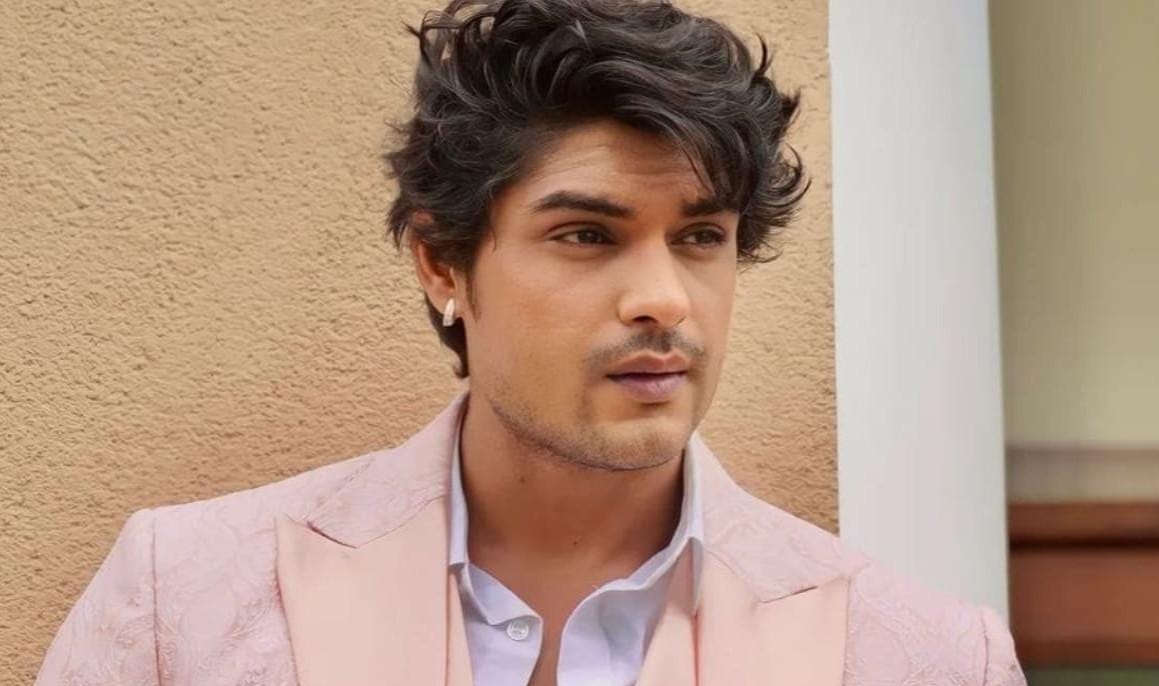
By Anil Merani: On June 13, 2025, Ankit Gupta, the renowned television star from “Udaariyaan” and “Bigg Boss 16,” made a significant move. He took to Instagram to address the invasive media speculation surrounding his personal life, sparked by a viral video that showed him leaving a Mumbai restaurant alongside a woman. This incident was falsely linked to him as a romantic partner, amid rumors of a split with co-star Priyanka Chahar Choudhary. Gupta boldly declared that “my dignity is not public property.” His powerful statement critiqued the unchecked media culture and reflected broader tensions between a celebrity’s right to privacy and the public’s curiosity. This incident underscores the need to reassess boundaries in today’s digital age, striving for a balance between the public’s “need to know” and an actor’s desire to shield personal matters from gossip.
In his post, Gupta expressed deep frustration with the media’s “countless stories, edits, and assumptions” made without “truth, context, or respect for boundaries.” He condemned the effort to tie him to a stranger as “absurd” and “disturbing,” warning that he would pursue legal action, including defamation lawsuits, against those spreading false or invasive content. His assertion that “what I choose to share, I share with intention” emphasizes his private nature, rejecting the notion that a public career justifies unrestricted scrutiny. Gupta also condemned the “growing culture of inventing narratives” for clicks and likes, pointing to a systemic issue where media outlets prioritize sensationalism over accuracy.
Gupta’s statement resonated widely, with actress Tina Datta praising his courage and fans on social media rallying behind him. Posts such as “Kudos to Ankit for standing against these paid media” and “So proud of this man” reflect strong support, with many urging respect for his boundaries. However, social media also revealed polarized reactions, with some fans speculating about Gupta’s relationship with Priyanka, illustrating how gossip is amplified online. This duality—support versus speculation—highlights the challenge of managing public perception in a hyper-connected world.
Gupta’s experience is not an isolated one but reflects a larger issue within India’s entertainment industry. In the pre-digital era, stars like Dev Anand maintained strict privacy. However, today’s paparazzi and social media render anonymity nearly impossible. The viral video incident, where a mundane moment was spun into a scandal, exemplifies how media exploits ambiguity for profit. Gupta’s reference to “paid media” resonates with fan sentiments online, suggesting that some outlets spread rumors for financial gain. This lack of accountability, coupled with the emotional toll of scrutiny—as noted by Priyanka in a Pinkvilla interview—underscores the urgent need for media reform.
The issue at hand is not just about privacy or media ethics, but about finding a delicate balance between the public’s interest in celebrities and their right to privacy. Achieving this requires multifaceted solutions and a nuanced understanding of the dynamics at play.
Balancing Public Curiosity with Personal Boundaries
Finding the right balance between the public’s interest in celebrities and their right to privacy necessitates a multi-faceted approach. First, strengthening legal and ethical frameworks is crucial. Gupta’s threat of defamation lawsuits leverages India’s legal system, which could deter reckless reporting if consistently enforced. Media outlets should adopt rigorous fact-checking practices, guided by industry bodies like the News Broadcasters Association, to avoid baseless stories like the “mystery girl” narrative. The 2017 Supreme Court ruling affirming privacy as a fundamental right further supports Gupta’s stance, urging media to limit coverage to verified, public-interest matters.
Second, promoting responsible media consumption is key to shifting public demand away from gossip. Gupta’s call for audiences to question unverified content—asking “is it real, is it respectful, or is it just nonsense?”—encourages media literacy. Fans, as evidenced by their supportive posts online, can help foster respectful discourse, while actors like Gupta can control narratives by selectively sharing personal details. Third, redefining the public’s “need to know” should prioritize professional achievements, such as Gupta’s role in “Maati Se Bandhi Dor” or his upcoming film, over personal speculation.
Celebrities can also employ strategic privacy measures, such as limiting their social media exposure or directly addressing rumors, as Gupta did. Media reforms, which could include regulations on paparazzi and incentives for quality content, could further safeguard privacy. Despite challenges related to public curiosity, media economics, and cultural norms, Gupta’s stand sets a precedent for reclaiming dignity, urging a cultural shift toward respect and accountability.

